Home / History
History
From Kiswiga and Kabaka Kintu to the clan seat at Mulema: our origins, totems, 38 sub-clans and customs.
Our story
Where we come from
The people of the tailless cow descend from Kiswiga, who came to this land with Kabaka Kintu and his brother Omukama Rukidi Wasswa. Kiswiga's descendant Katongole was smith to Omukama Winyi II at the Lusamule river in Ssingo. In his kraal a calf was born without a tail, and it became our totem.
After Katongole fled to Buddu, his sons Nakaana, Lukyamuzi and Lwegaba settled on Mulema hill. Members are called the Abagabo of Mulema, because Katongole and his household did not eat the evening meal during the ggabogabo moon.
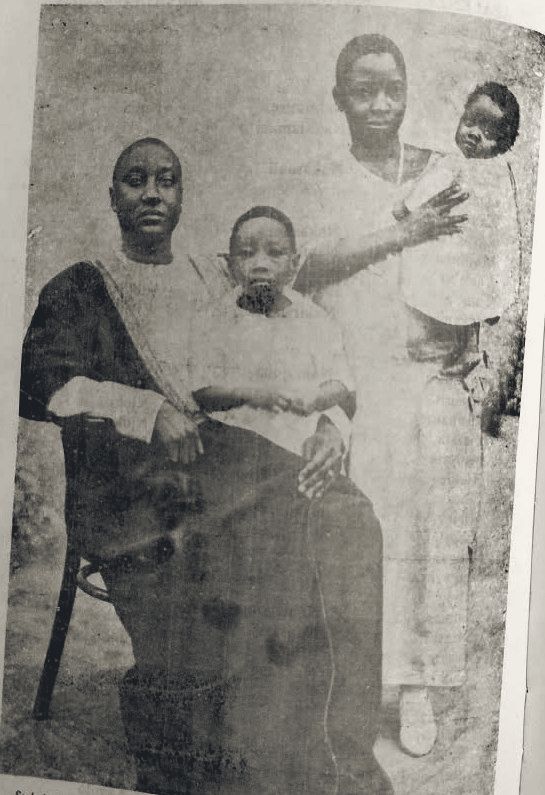
The Ente clan bore Ssekabaka Muteesa II. His mother, Lady Irene Drusira Namaganda of the Lwegaba sub-clan, was the first to receive the title of Nabagereka.
- Origins
Kiswiga, companion of Kintu
Kiswiga, the ancestor of the people of the tailless cow, came with Kabaka Kintu and his brother Omukama Rukidi Wasswa. When the brothers parted, he went with Rukidi to Bunyoro and settled on Kyankere hill (now Ssingo).
- Bunyoro
Smiths at the Lusamule river
Kiswiga was succeeded by Lwekana, then Wangi, then Wangi's son Katongole. Katongole was smith to Omukama Winyi II. In his kraal near Kibubala a calf was born without a tail; his children refused its milk and meat, and it became the totem.
- The flight
Fleeing to Buddu
Katongole fathered a child, Namagoye, with Nakayija, daughter of Omukama Winyi II. The diviners told the Omukama to kill the child, its mother, Katongole and all his people, so Katongole fled south with his whole family, travelling by night.
- The journey
Kagaba to Tero forest
Relatives stayed behind along the way: Kalibata at Kagaba, Nakaddu at Lusiba, Kalwanga at Buganga, Lwera at Nabugabo. The rest crossed the Katonga, passed through Buddu and hid in Tero forest at the source of the Kabiga stream.
- Settlement
Bijja and Mulema
Katongole settled at Bijja. His sons Nakaana, Lukyamuzi and Lwegaba found Mulema hill, with streams and trees for charcoal, and settled there. Nakaana's headquarters at Mulema has never moved since.
- The kingdom
Smiths to the Kabaka
When Kabaka Jjunju conquered Buddu, Muwulya of Mulema gave him spears, hoes and axes, and was made assistant to the Kabaka's chief smith. The clan still forges the hoe buried when a Kabaka performs his father's last funeral rites.
- One clan
United under Daudi Chwa II
Rev. Sedululaka Kigulenkumbi Kibuuka registered the clan among the clans of Buganda. Kabaka Daudi Chwa II joined all seven types of Ente into one clan under Katongole, saying each cow can give birth to its own kind.
- 2010
Champions of the clans cup
In 2010 the Ente clan won the Buganda clans football cup, beating the Ekkobe clan 1-0 at Nakivubo stadium.
Omuziro n'akabbiro
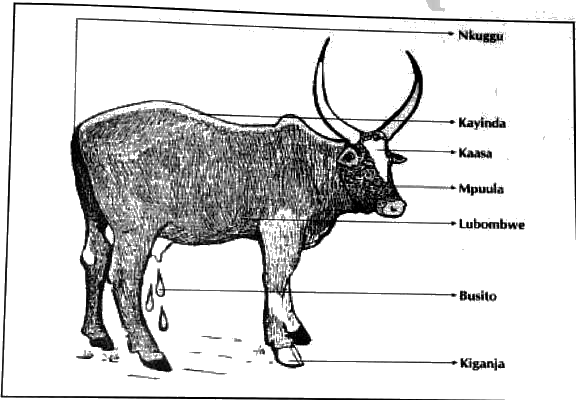
The cow and its seven types
The Ente clan has seven types of cow. Each type has its own sub-clans that reach up to Katongole, and each keeps its own customs.
Akabbiro: the crowned crane (Ngaali)
When Katongole and his people fled from Ssingo, they travelled by night and hid in the bush by day. Early each morning the cranes cried out and woke them, so they could move on before daylight. In thanks, Katongole made the crane the clan's akabbiro and told his descendants never to harm it.
The clan drum beat (Omubala)
Played at the clan's great occasions: welcoming the clan head, the last funeral rites, weddings and other ceremonies.
Wante talina kabi
Your cow has no faultMbadde ngaleeta (amata) omusumba aganywedde
I was bringing the milk, but the herdsman drank itEkyuuma nkiridde n'omukimba ngulidde
The iron I have eaten, and my wages I have receivedBwe mbirya, bwe mbiwoza, binsanga mu ssasa
Whether I eat them or defend them, they find me at the forge
Amasiga
The 38 sub-clans
These are the children of the supreme clan head, with their seats. Search for your sub-clan or a place.
| # | Sub-clan | Seat | County | Type of cow | Head |
|---|---|---|---|---|---|
| 1 | Nakaana | Mulema-Kabagabo | Buddu | Enkuggu | James Lwasampijja |
| 2 | Lukyamuzi | Mulema-Nkenge | Buddu | Enkuggu | Francis Kaweesi |
| 3 | Lwegaba | Mulema | Buddu | Enkuggu | Lwasampijja |
| 4 | Kajojo | Ssenyange-Kikukumbi | Buddu | Enkuggu | Lawrence Lugobe |
| 5 | Ddungu | Bukala-Kazinga | Buddu | Enkuggu | Gerald Lwegaba |
| 6 | Kagayo | Bugere-Bukwale | Buddu / Tanzania | Ekiganja | Efulazidiyo Kaweesi |
| 7 | Mbiriire | Buganga-Misago | Buddu | Enkuggu | Matiya Bumiire Ssennyondo |
| 8 | Lwera Nabugabo | Nabugabo | Buddu | Enkuggu | Ronald Kaweesi |
| 9 | Lwera Kyamabaale | Kyamabaale-Kinoni | Busujju | Enkuggu | Lawrence Musoke |
| 10 | Namuyira | Bugabo-Kakira | Buddu | Enkuggu | Sepiriya Kiwanuka |
| 11 | Nakaddu Nabigasa | Nabigasa | Kooki | Enkuggu | Besweri Muwulya |
| 12 | Kagolo-Bugala | Kyamiru | Buddu | Enkuggu | G.W. Kaweesi |
| 13 | Lubowa | Mugombe-Lwankoni | Buddu | Enkuggu | Gabudyeri Mukasa |
| 14 | Luwondera | Bulaga-Kiyumba | Buddu | Enkuggu | Henry Ssemanda |
| 15 | Njuki | Kigasa | Buddu | Enkuggu | Robert Ssempijja |
| 16 | Kiwanyizi | Mulengeka | Buddu | Enkuggu | Masiyale Wasukirawa |
| 17 | Kalibata | Kagaba-Kiima | Ssingo | Enkuggu | Dan Katongole |
| 18 | Mugangi I | Nakayima-Mubende | Buwekula | Enkuggu | Miwanda Buuzaabalyawo |
| 19 | Nakaddu Lusiba | Lusiba-Mukirabi | Buwekula | Enkuggu | Noah Paul Lukyamuzi |
| 20 | Namutale | Nsiisi | Buwekula | Enkuggu | John Kambuzi |
| 21 | Kituzi | Kankwale | Ssingo | Lubombwe | Teopista L. Ssabakulungo |
| 22 | Ssebyayi | Kitoma | Ssingo | Lubombwe | John Jjesero |
| 23 | Mugenyi Nkwaju | Ndoddo | Ggomba | Kayinda | Bro. Marius Ntwatwa |
| 24 | Kigombe | Kyamayembe-Mabaale | Buddu | Lubombwe | Patrick Ssemanda |
| 25 | Mugenyi Kaddussingo | Ndoddo | Ggomba | Kayinda | G.W. Kaddu |
| 26 | Mbajjo (Mbagyo) | Kalagala | Kooki | Lubombwe | Dr. Haji Edriisa Kaseenene |
| 27 | Bulondwa | Magiri-Kasoso | Buddu | Lubombwe | Paulo Kyakugamba Kiwanuka |
| 28 | Mugangi II | Makulungo | Butambala | Lubombwe | Bbeero |
| 29 | Kazaana | Bunyala | Bugerere | Lubombwe | – |
| 30 | Kitandwe | Ggongwe | Buddu | Lubombwe | G.W. Kyanzi |
| 31 | Maganda | Lugongo | Kooki | Kaasa | Justine Kato |
| 32 | Binga | Nakiso, Mubende | Buwekula | Empuula | Joseph Kyaluzzi |
| 33 | Kitotera | Buwama | Kabula | Kayinda | Levi Alimanya |
| 34 | Nsudani | Bulugo-Katoogo | Buddu | – | Israel Katongole |
| 35 | Dingiro | Buyana | Buwekula | Empuula | Veneventula Lubanjwa |
| 36 | Kasowa | Kagoma | Buwekula | Obusito | Hamadi Serwanga |
| 37 | Nkojo | Kasambya | Mawogola | Lubombwe | Christopher Ssenkindu |
| 38 | Mulindwa | Buganga-Kalwanga | Mawokota | Enkuggu | Christopher Kagolo Muganga |
Know your lineage
Introduce yourself as a true Muzirante
Every member of the Ente should be able to name their grandfathers back three generations or more, then add the house, lineage, branch and sub-clan they come from. Don't stop at saying "I am of the Ente."
If you are not sure of your sub-clan, contact your sub-clan head, the clan Katikkiro or Omutaka Katongole for help.
- KasolyaThe roof: the clan head, Katongole at Mulema
- SsigaSub-clan: the children of the clan head (38)
- MutubaBranch: the children of the sub-clan heads
- LunyiririLineage: the children of the branch heads
- NnyumbaHouse: the children of the lineage heads
- LuggyaCourtyard: your own family
Customs and taboos
How the Ente clan lives
Members also avoid the meat of any tailless animal, bananas from a bunch without a flower bud (empumumpu) and food parcels tied without an end knot (akaayi akasoloobye).
- We do not eat the meat or drink the milk of the Enkuggu, Lubombwe, Kaasa, Kayinda, Ekiganja and Busito cows. The meat of other cattle we eat.
- We do not intermarry within any of the types of Ente.
- We do not marry from our maternal uncles' clan (Bukojja).
- We do not perform the last funeral rites straight after returning from the burial.
- We do not perform the last funeral rites before the deceased is buried.
- We perform the last funeral rites at dawn.
- A wife does not succeed her husband, and a husband does not succeed his wife.
- If a person with a clan name refuses to perform the last funeral rites, the people he leaves behind will not have theirs performed.
- A person who did something shameful in the clan has no last funeral rites, and no child is named after him.
- We do not use other clans' names. We use proverbial names and names from sayings.
- The customs of twins, of the Lubaale and of naming children (okwalula abaana) are kept only by the lineages they concern.